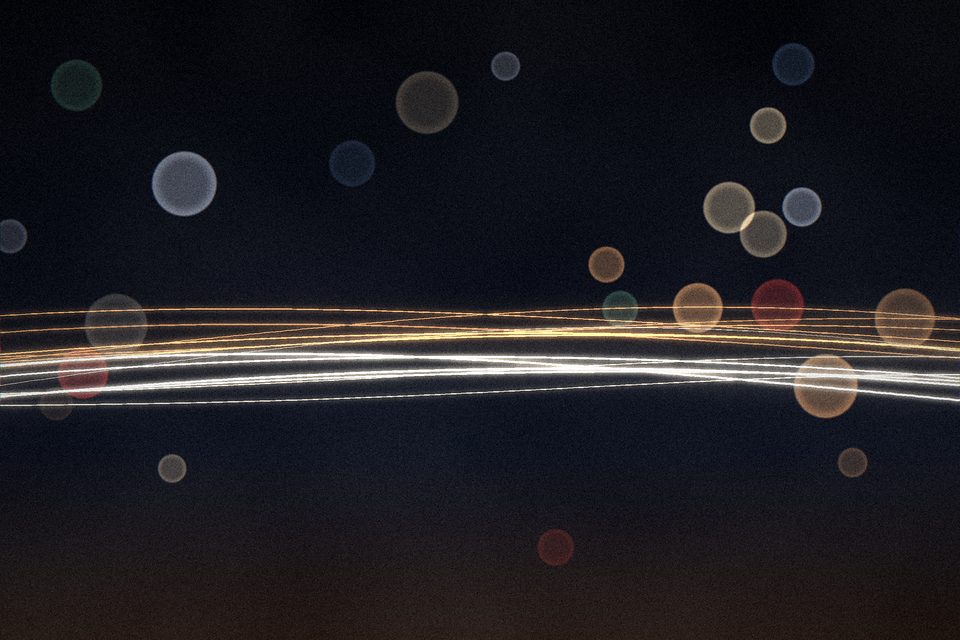
Making the pictures is maybe half of a series. The other half is deciding which ones belong, in what order, and what the order says. I find this part harder than the shooting, and for a long time I did it badly: on a screen, in a grid, with everything at the same size and all of it visible at once.
What follows is how I do it now. It is slow and a little old-fashioned, and it works better for me than anything else I have tried.
Step one: a rough cut on screen
I start with everything from the project in one folder and go through it quickly, marking anything that makes me stop. No second-guessing, no comparing. For Night Traffic, about six hundred frames became ninety in an evening.
Then I go through the ninety more slowly and remove near-duplicates, keeping the stronger of each pair. This usually halves the number again.
Step two: small prints
Forty or so frames get printed small — about the size of a postcard — on cheap paper. This is the most useful step in the whole process. On paper, pictures that looked fine on the screen sometimes look thin, and pictures I had nearly removed sometimes look much stronger. Print also forces a decision about each frame’s brightness and colour, which the screen lets me postpone.
Step three: the table
The prints go on a long table, or the floor, in no particular order. I leave them there for a few days and walk past them. Pictures that keep catching my eye stay. Pictures I forget about go into a pile at the side — not discarded, just moved.
Then I start making pairs. A series reads two pictures at a time: each frame is seen next to the one before it and the one after. I look for pairs that do something together — a shape repeated, a colour carried over, a change in scale. Pairs that do nothing are usually where a sequence goes flat.
A few rules, often broken
- Open with a picture that explains the territory, not the strongest one.
- Put the strongest picture about two-thirds through, where attention usually dips.
- Avoid three similar frames in a row, unless the repetition is the point.
- End quietly. The last picture should let the viewer leave, not shout.
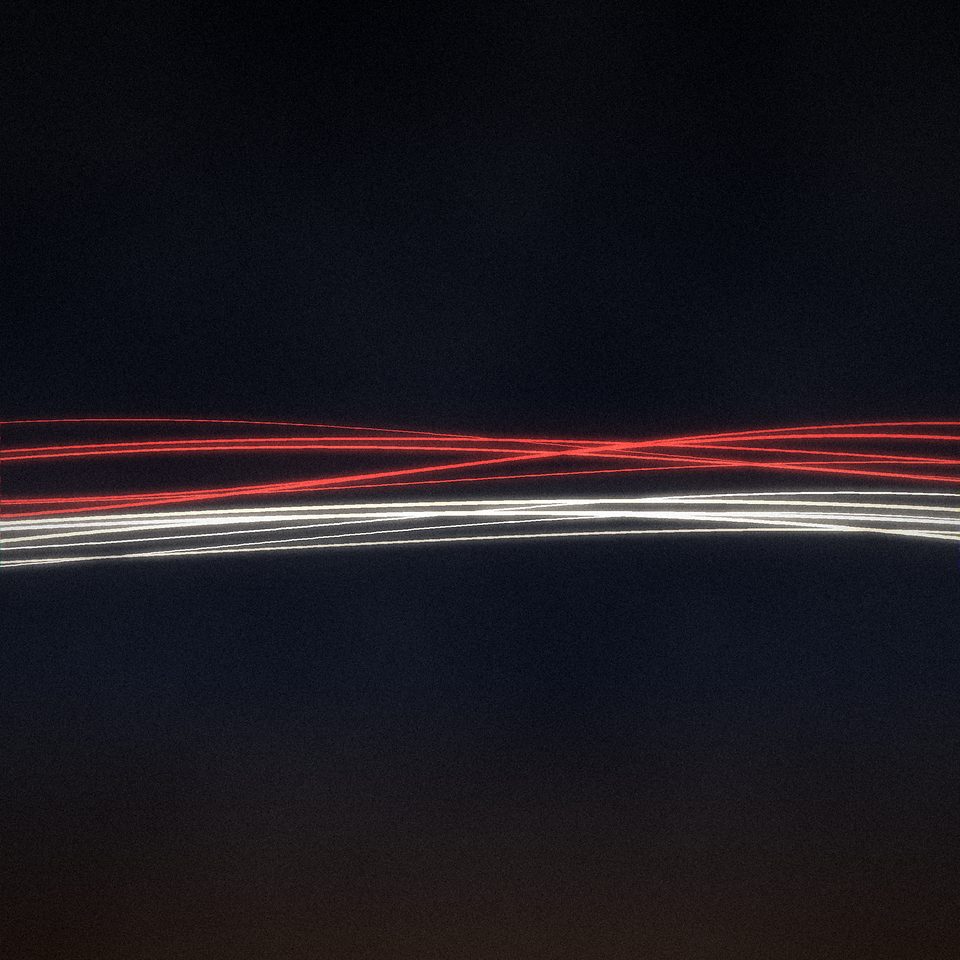
Night Traffic breaks the second rule: its strongest frame is the second one, because the series needed the trails early or the bokeh pictures made no sense.
Step four: back to the screen
Once I have a sequence on the table, I photograph it with my phone, then rebuild it on the computer at proper size and look at it as a slideshow. This catches problems the table hides — mostly differences in brightness that look fine side by side but jump when one replaces the other.
Step five: leave it alone
The last step is waiting. I leave the sequence for at least two weeks before publishing it here. Every time, I change something on returning: usually one swap, occasionally a whole picture removed. Then I stop. A series could be re-sequenced forever, and at some point it has to go out and do its own work.